

Updates
Featured
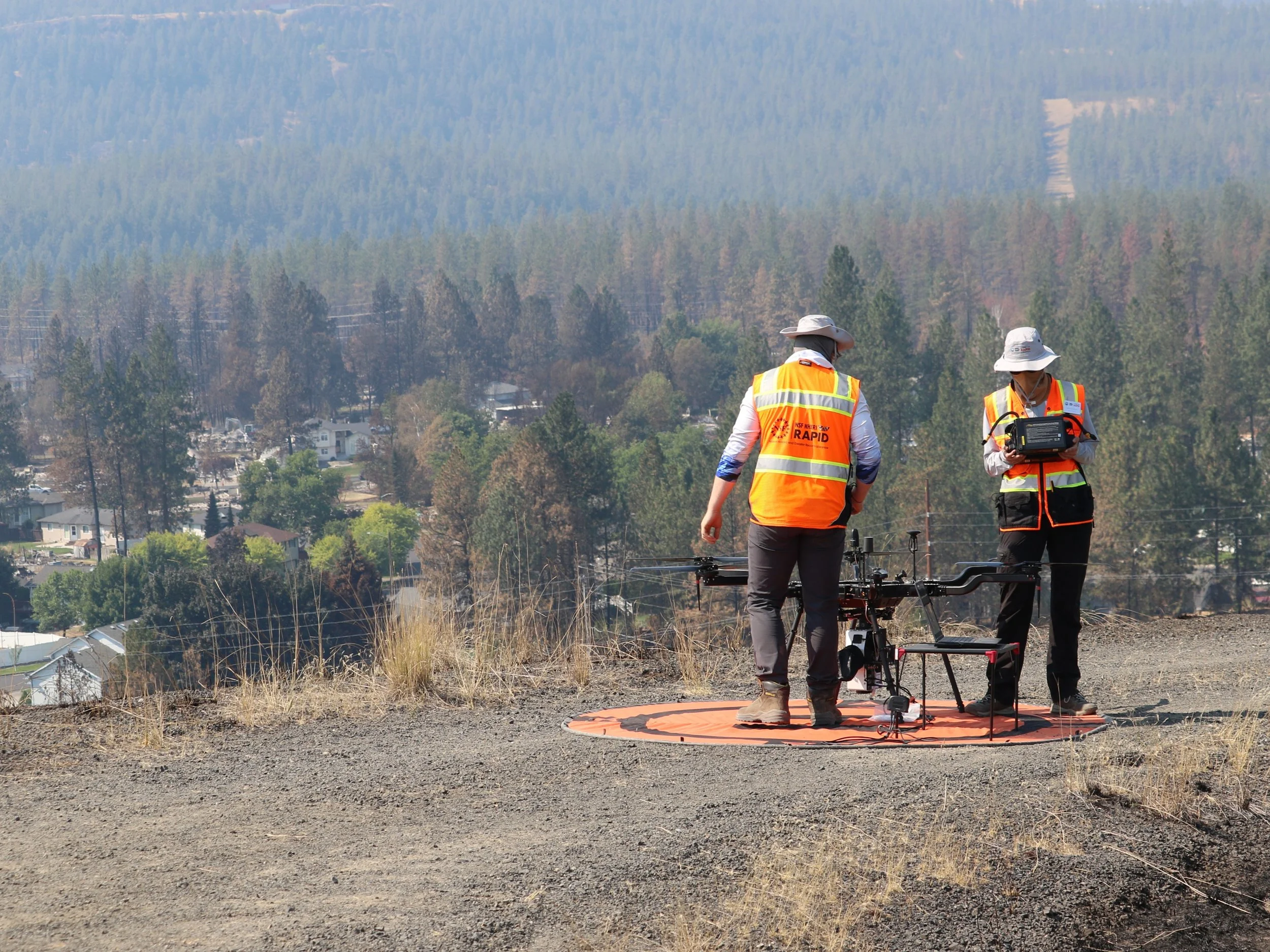
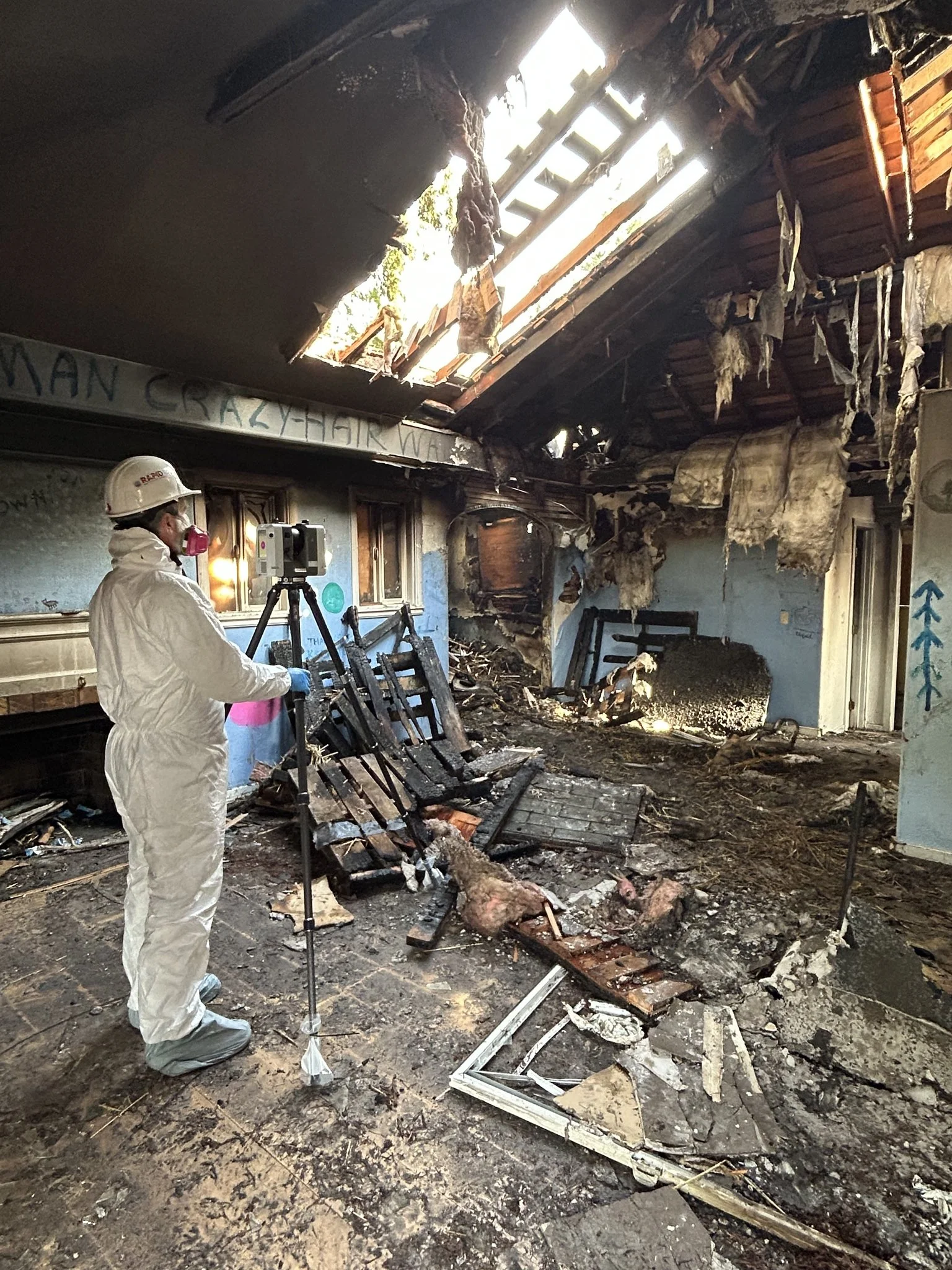
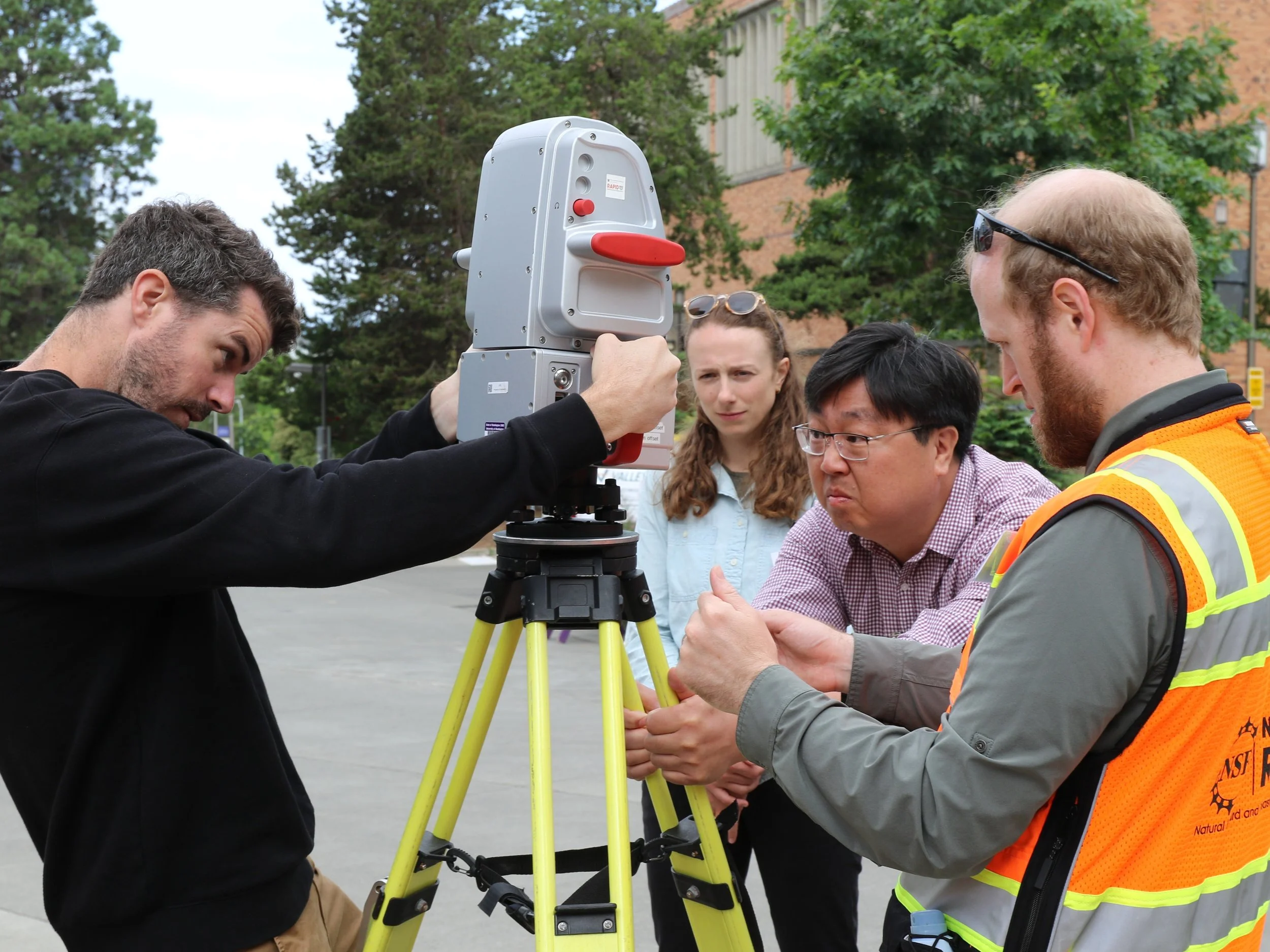


The RAPID Facility has completed its first comprehensive field deployment to the Spokane area, conducting data collection beginning August 24 in and around the Old Trails burn area. This update provides an early look at what was collected, how it can be accessed, and important considerations to keep in mind as the community begins to make use of it. This update is intended for both members of the research community and members of the public who have been following the RAPID Facility's work in Spokane.
The NHERI RAPID Facility is hiring a full-time temporary Research Scientist to support environmental and public health data collection after natural hazard events. This hands-on role combines field deployment, analytical instrumentation, GIS, technical documentation, logistics, training, and collaboration with disaster researchers.
Held July 21 to 24 at the University of Washington in Seattle, this in-person, hands-on training will build expertise in using RAPID equipment to collect, process, and integrate reconnaissance data using mobile tools and the DesignSafe cyberinfrastructure, with proposal development focused on interdisciplinary engineering and environmental exposures and health research.
The Natural Hazards Center is now accepting proposals for the Health and Extreme Weather Research Award Program. Awards range from $10,000 to $50,000 to support perishable, health relevant data collection within six months of an extreme weather event.
Applications are open for the 2026 RAPID Graduate Student Scholars Program. This annual program provides hands on training, funding, and access to RAPID field instrumentation and data collection resources. Scholars gain practical experience collecting, processing, and publishing high quality data across engineering, public health, and the social sciences.
RAPID has released a new data brief on high resolution aerial imagery and 3D models collected after the 2025 Los Angeles fires. The brief describes key data products, what makes the dataset unique, and how to access it through NHERI DesignSafe. It is intended for researchers, practitioners, educators, and community users.
RAPID Facility Director Joseph Wartman published an op-ed in the San Francisco Chronicle, “California mastered earthquake safety. Will it do the same for wildfires?” He argues that California’s long-term, coordinated investments in earthquake safety offer a clear model for closing major gaps in wildfire mitigation, highlighted by the January 2025 Los Angeles fires after-action review.
Our 2025 NHERI RAPID 4-Day Intensive Hands-On Workshop was held on July 22-25. Congratulations to our new Advanced Users, who traveled to our University of Washington location in Seattle to get hands-on experience with our instrument portfolio.
See our training page for upcoming training opportunities with the RAPID Facility.
In coordination with a UCLA-led multi-institutional research team, the RAPID facility is currently collecting extensive baseline data in the immediate aftermath of the Los Angeles wildfires, creating a unique opportunity for longitudinal studies. We invite researchers to leverage this foundation of baseline data for both immediate investigations and long-term studies.
The National Institutes of Health (NIH) and NSF are partnering to enhance the RAPID Facility’s offerings in technical instrumentation, training, and resources for researchers collecting perishable exposure and health data after disasters. This collaboration seeks to integrate extreme weather science with essential health research, advancing disaster response efforts.
We have recently upgraded our UAS-Drone system with a new long-endurance flight platform that enables airborne lidar collection across large areas.